

Empowering Children, Teens, and Young Adults, to Set Healthy Boundaries for a Confident Future
Setting healthy boundaries is a vital skill that shapes how children grow into adults who respect themselves and others. When children learn to establish clear limits, they gain confidence, emotional balance, and the ability to communicate their needs effectively. This foundation supports their mental and physical well-being throughout life. Parenting plays a crucial role in teaching these skills, not by being rigid but by showing empathy and setting the example. This article outlines the key lessons children need to learn about boundaries, with practical tips and activities for parents and caregivers.
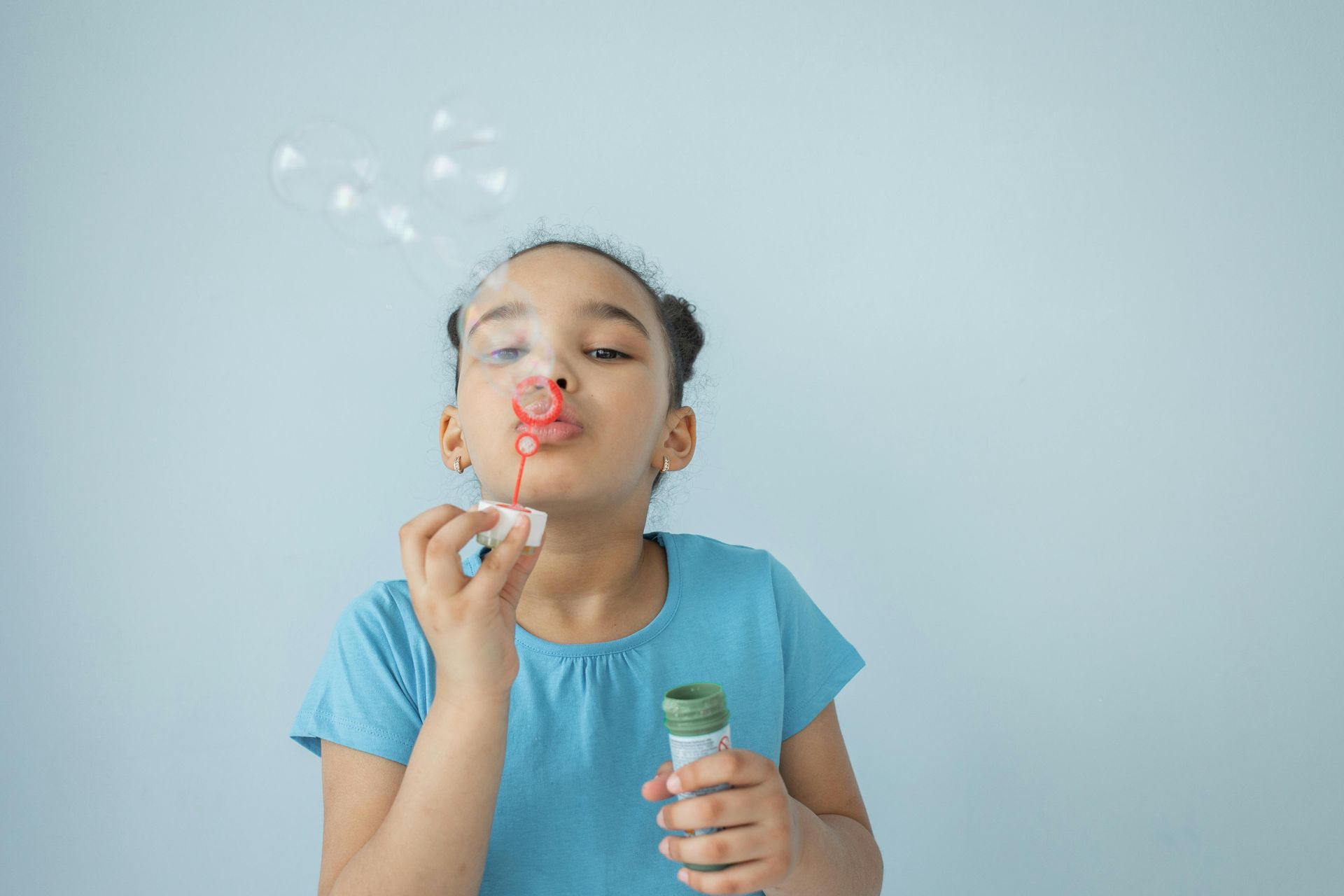
Child illustrating personal space bubble
Healthy boundaries help children:
- Respect themselves and others
- Communicate their needs clearly
- Build positive relationships
- Develop self-esteem and confidence
When children understand boundaries, they learn to protect their feelings and bodies. This reduces stress and prevents emotional exhaustion. Parenting that focuses on teaching boundaries encourages children to trust their instincts and express themselves without guilt.
Understanding Personal Space
One of the first lessons about boundaries is personal space. Children need to know that everyone has an invisible bubble around them that should be respected. Parents can use simple visual aids like a "bubble" demonstration to make this concept clear. For example, ask children to imagine a bubble around their body and explain that others should not pop or enter this bubble without permission.
Encourage children to speak up if someone invades their space. This builds respect for themselves and others. Show empathy by listening carefully when they express discomfort and reinforce that their feelings matter.
Learning to Say "No" Without Guilt
Children often struggle with saying "no" because they want to please others or avoid conflict. Teaching them that it is okay to say "no" when they feel uncomfortable or overwhelmed is essential. Role-playing different scenarios helps children practice saying "no" firmly but politely.
For example, parents can act out situations where a friend wants to borrow a toy or asks for a hug, and the child practices responding with confidence. Reinforce that their feelings and needs are valid, even if others disagree. This lesson supports emotional balance and self-respect.
Identifying Emotions and Triggers
Children must learn to recognize their emotions and understand what situations make them feel upset, stressed, or unsafe. Tools like emotion charts or simple journaling encourage self-awareness. For instance, a child can mark how they feel each day or draw pictures representing their emotions.
Teaching children to trust their instincts when something does not feel right helps them set boundaries naturally. Parenting that shows empathy and avoids rigid rules allows children to explore their feelings safely.

Effective Communication Skills
Expressing needs and feelings clearly is a cornerstone of healthy boundaries. Children benefit from learning to use "I" statements, such as "I feel upset when you take my toy without asking." This approach helps them communicate assertively without blaming others.
Parents can teach these skills through everyday conversations and gentle corrections. For example, if a child says "You always bother me," guide them to say, "I feel bothered when you interrupt me." This method builds respect and understanding in relationships.
Lessons Kids Need to Learn About Setting Boundaries
To set healthy boundaries, children should learn:
- Respect for self and others: Understanding that everyone deserves kindness and space
- Clear communication: Using words to express feelings and needs
- Confidence to say no: Knowing it is okay to refuse requests that feel wrong
- Awareness of emotions: Recognizing feelings and triggers
- Trusting instincts: Listening to their inner voice when something feels off
Parenting that focuses on these lessons helps children grow into adults who maintain balanced relationships and protect their well-being.
Interactive Activities to Reinforce Boundary Skills
Engaging children in activities makes learning about boundaries fun and memorable. Here are some ideas:
- Personal Space Bubble Game: Use hula hoops or draw circles on the ground to represent personal space. Children practice standing inside their bubble and respecting others' bubbles.
- Role-Playing Scenarios: Act out situations where children practice saying "no" or expressing feelings using "I" statements.
- Emotion Journals: Encourage children to draw or write about their feelings daily, helping them identify emotions and triggers.
- Respect Circle: Create a group activity where children take turns sharing what respect means to them and how they show it.
These activities support parenting efforts by making lessons interactive and relatable.
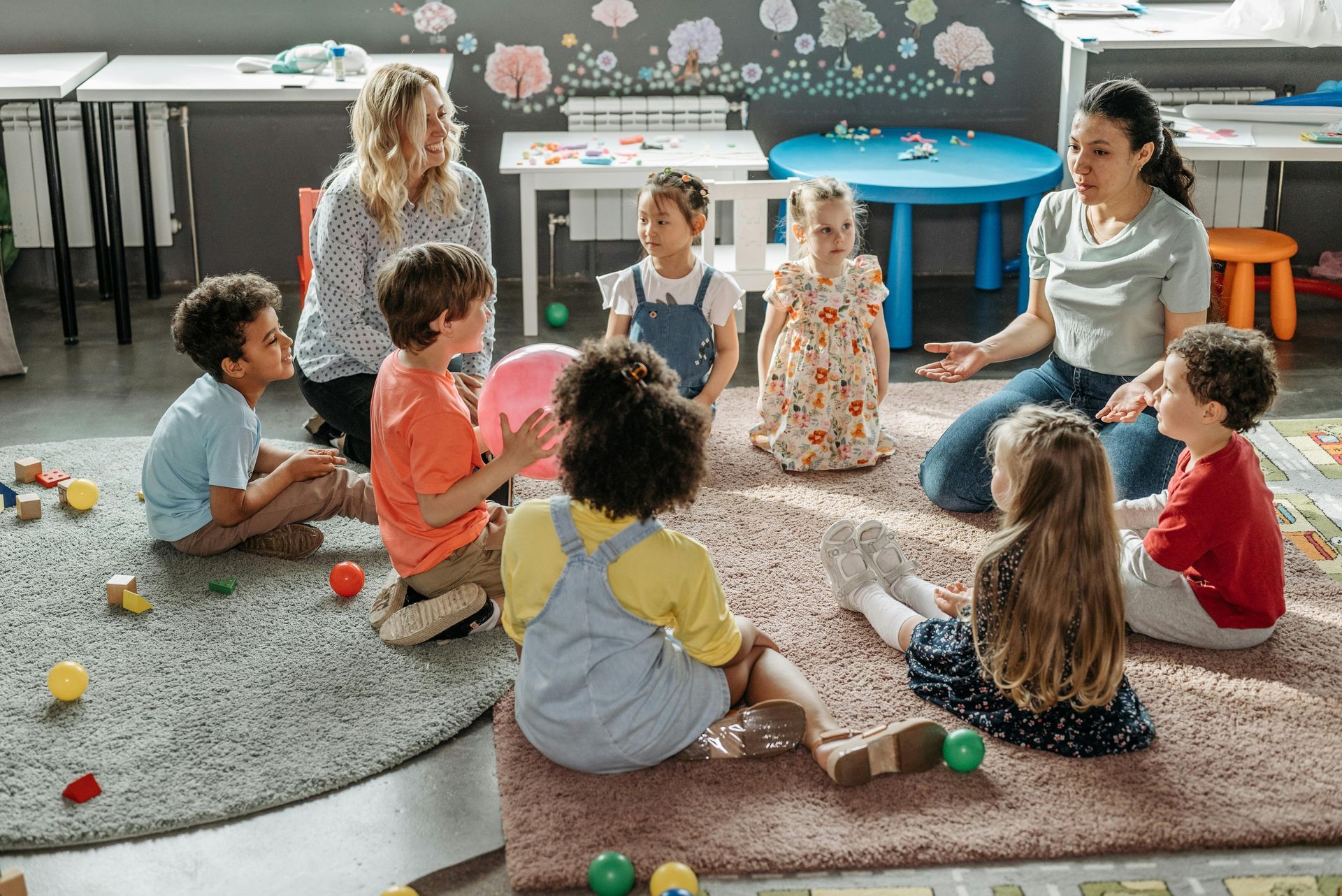
Tips for Parents and Caregivers
Set the example: Model respectful behavior and clear communication in everyday interactions.
- Show empathy: Listen to children’s feelings without judgment and validate their experiences.
- Avoid being rigid: Flexibility helps children feel safe to express themselves and learn from mistakes.
- Teach consistently: Reinforce boundary lessons regularly through conversations and activities.
- Encourage questions: Create an open environment where children feel comfortable asking about boundaries.
By applying these tips, parents and caregivers create a supportive space for children to develop strong boundary skills.
Final Thoughts
Teaching children to set healthy boundaries equips them with tools for a confident and balanced future. Respect, clear communication, and emotional awareness are key components of this learning process. Parenting that shows empathy, sets the example, and avoids rigidity fosters these skills naturally. The journey to healthy boundaries begins early and continues through adolescence into adulthood. Supporting children in this way helps them build strong relationships and protect their well-being throughout life.